TL;DR – Quick Summary
- Apply fresh aloe gel directly to clean skin as a lightweight moisturizer or soothing treatment
- Most effective on sunburn, mild irritation, and dry or oily skin needing hydration without heaviness
- Look for 99–100% pure aloe vera on ingredient labels — fillers reduce effectiveness
The Question
Aloe vera shows up constantly in natural skincare — on ingredient labels, in DIY recipes, and as a standalone plant people keep on kitchen windowsills. But knowing how to use it, and what it can realistically do for your skin, is less clear.
The Short Answer
Aloe vera gel can be applied directly to clean skin as a moisturizer, soothing treatment, or lightweight serum base. It works best for calming irritation, providing gentle hydration, and supporting skin recovery after sun exposure. It’s suitable for most skin types and is unlikely to cause adverse reactions in most people.
The Full Answer
What Aloe Vera Actually Contains
The gel inside an aloe vera leaf is mostly water — around 98–99% — but that remaining fraction contains compounds that have been studied for their effects on skin. These include polysaccharides (particularly acemannan), which help with moisture retention and wound healing; anthraquinones with antimicrobial properties; and vitamins C and E in small amounts.
Dermatologists commonly recommend aloe gel for its anti-inflammatory and wound-healing properties. It has FDA-recognized status as an over-the-counter skin protectant, which reflects its track record of safe use and meaningful benefit.
How to Use Fresh Aloe from the Plant
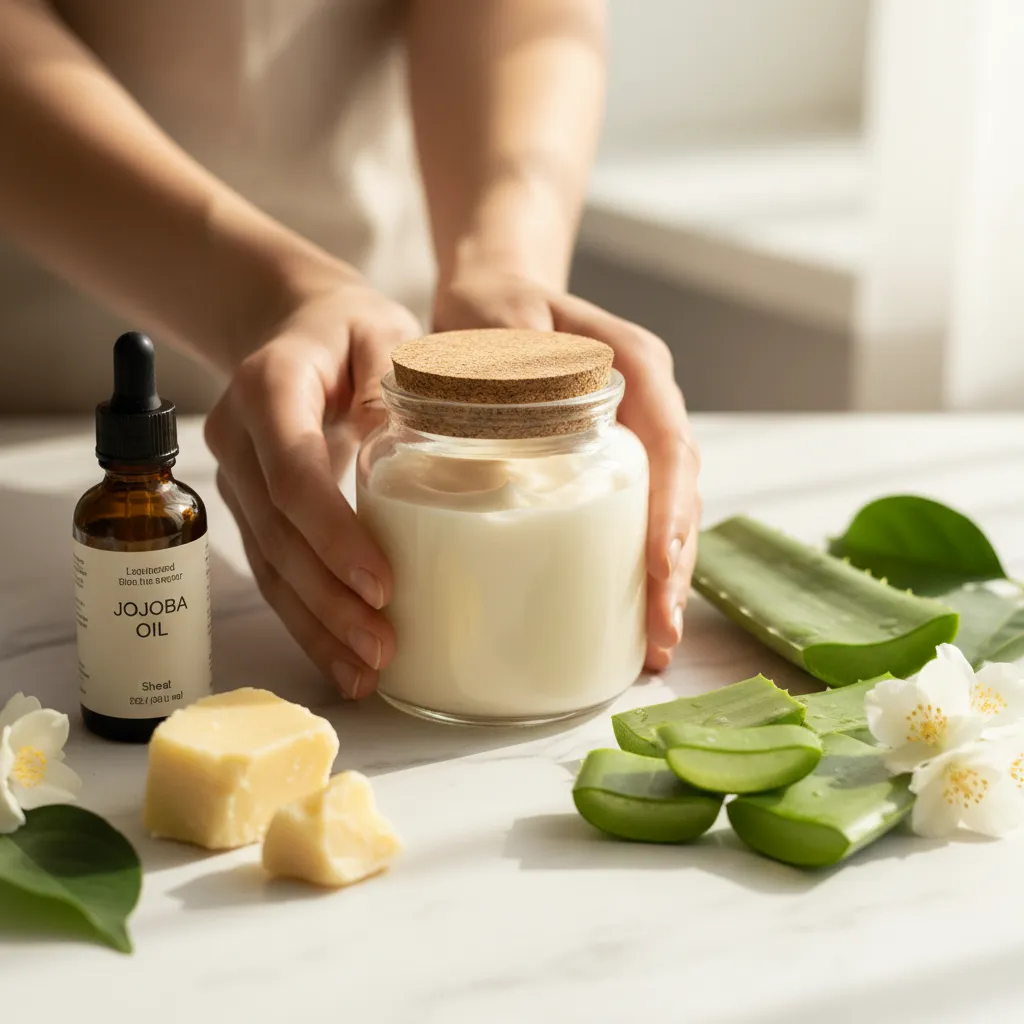
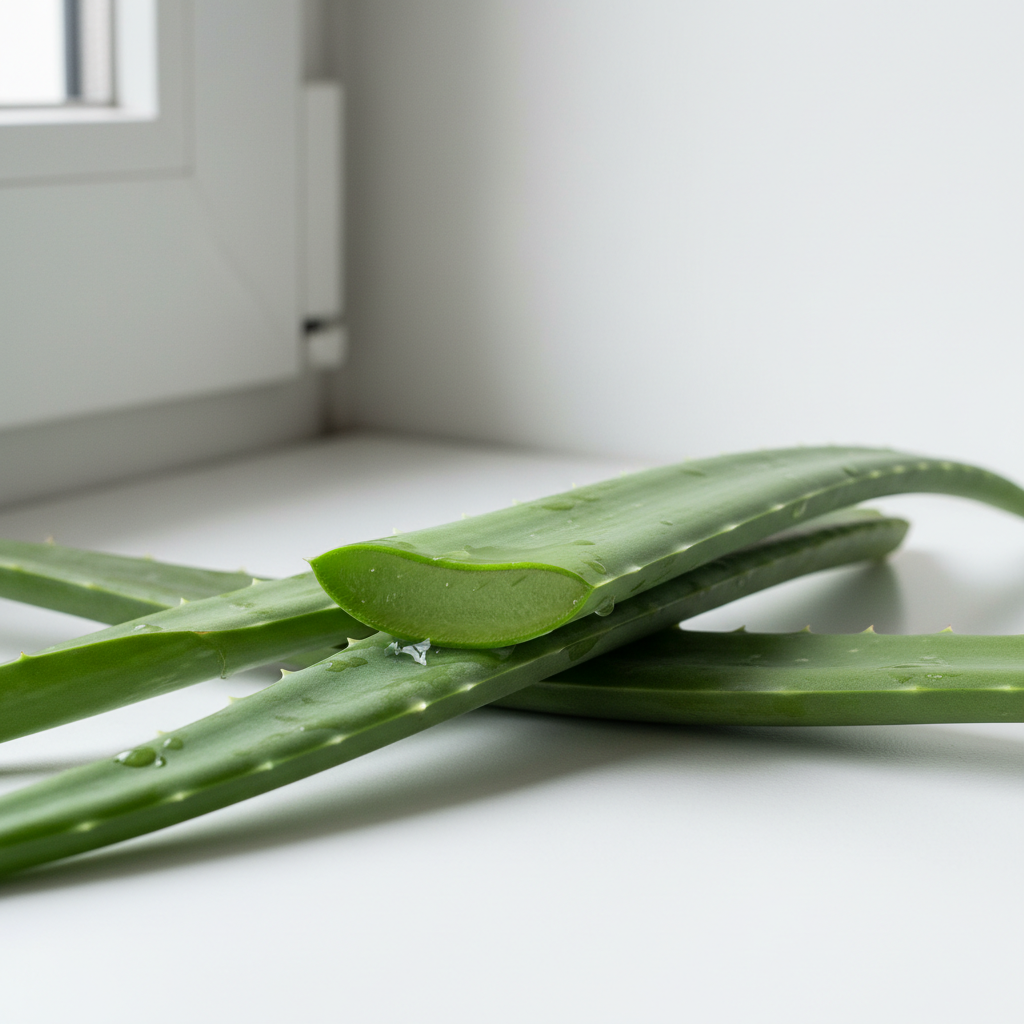
If you have an aloe vera plant (Aloe barbadensis miller is the species used in skincare), the process is straightforward:
- Cut a lower, mature leaf at the base. Thicker leaves contain more gel.
- Let the leaf sit upright for a few minutes to drain the yellow sap near the cut end — this resin (aloin) can cause irritation and should be discarded.
- Slice the leaf open lengthwise and scoop out the clear gel.
- Apply directly to clean skin with your fingers.
Fresh gel is most potent but only keeps for a few days in the refrigerator. For daily use, a high-quality bottled aloe vera gel (99% or 100% pure) is more practical.
Skin Uses That Are Well-Supported
Sunburn: Aloe gel is one of the most studied natural remedies for mild sunburn. Its cooling effect is immediate, and research suggests it can reduce healing time compared to no treatment. Apply generously and reapply as needed.
Lightweight daily moisturizer: Aloe gel works as a humectant — it helps draw and hold moisture at the skin surface. For oily or combination skin, it can work as a standalone moisturizer. For dry skin, it’s better used as a first layer under an oil or richer cream.
Soothing irritated skin: Whether from shaving, a harsh cleanser, or environmental exposure, aloe gel reduces redness and discomfort quickly. It can be used as a spot treatment or all-over calming layer.
After-cleansing hydration: Applying a thin layer of aloe gel to slightly damp skin before your serum or moisturizer helps with hydration and provides a smooth base for subsequent products.
What It Won’t Do
Aloe vera is not a treatment for acne (it may help with post-breakout redness but won’t address the root cause), and it’s not a substitute for SPF. It doesn’t penetrate deeply enough to affect collagen production meaningfully on its own. Claims that aloe vera has significant anti-aging effects aren’t well-supported by independent research.
What to Look for in Bottled Products
If buying rather than growing your own, check the ingredient list. Aloe vera should appear in the first one or two ingredients — listed as “aloe barbadensis leaf juice” or “aloe vera gel.” Products where aloe vera appears near the bottom of a long ingredient list contain very little of it. Avoid versions with artificial fragrance or alcohol high on the ingredient list, particularly if you have dry or sensitive skin.
Quick Recap
- Apply directly to clean, slightly damp skin for best absorption
- For sunburn and irritation, use generously and often — it’s gentle enough to reapply throughout the day
- Use as a base layer under heavier moisturizers if your skin is dry
- From the plant: drain the yellow sap before using the gel
Related Questions
Q: Can I use aloe vera on my face every day? Yes, for most skin types. Aloe vera is gentle, non-comedogenic, and unlikely to cause issues with daily use. Those with very dry skin may want to layer a richer moisturizer on top. More on daily moisturizing →
Q: Does aloe vera help with dark spots? The evidence is mixed. Aloe contains aloesin, a compound that may inhibit melanin production, but the effect from topical gel application is modest. It’s not a primary treatment for hyperpigmentation. More on skin brightening →
Q: What’s the difference between fresh aloe gel and bottled? Fresh gel is more potent but degrades within days. Bottled aloe vera (99–100% pure) is more practical for daily use and retains most of the same properties. The main thing to check is that it hasn’t been diluted with fillers or water added beyond what’s natural to the plant.