TL;DR – Quick Summary
- Harvard tracked 38,000+ women over 12 years and found plant-rich diets reduced menopause weight gain.
- The Planetary Health Diet showed the strongest protection against obesity of all patterns studied.
- Ultra-processed foods were linked to greater weight gain and higher obesity risk during menopause.
Harvard tracked 38,000+ women over 12 years: plant-rich diets cut menopause weight gain. The Planetary Health Diet showed the strongest protective ...
Source: Healthline →
A large study published May 20, 2026 in JAMA Network Open may be the clearest evidence yet that what you eat before and during menopause shapes more than just how you feel day-to-day — it may significantly influence long-term weight and metabolic health.
What the Researchers Did
Researchers from Harvard and the National University of Singapore followed more than 38,000 female nurses participating in the Nurses’ Health Study II over a 12-year window: six years before and six years after the menopause transition. This design allowed them to track diet and weight changes directly through the hormonal shift, rather than just looking at snapshots.
The Core Finding
Diets rich in plant foods and low in processed meats and salty snacks consistently correlated with less weight gain during and after menopause. Low insulin-spiking dietary patterns — those that keep blood sugar steady through whole foods rather than refined carbohydrates — showed the smallest weight gain and lowest obesity risk across the board.
What Is the Planetary Health Diet?
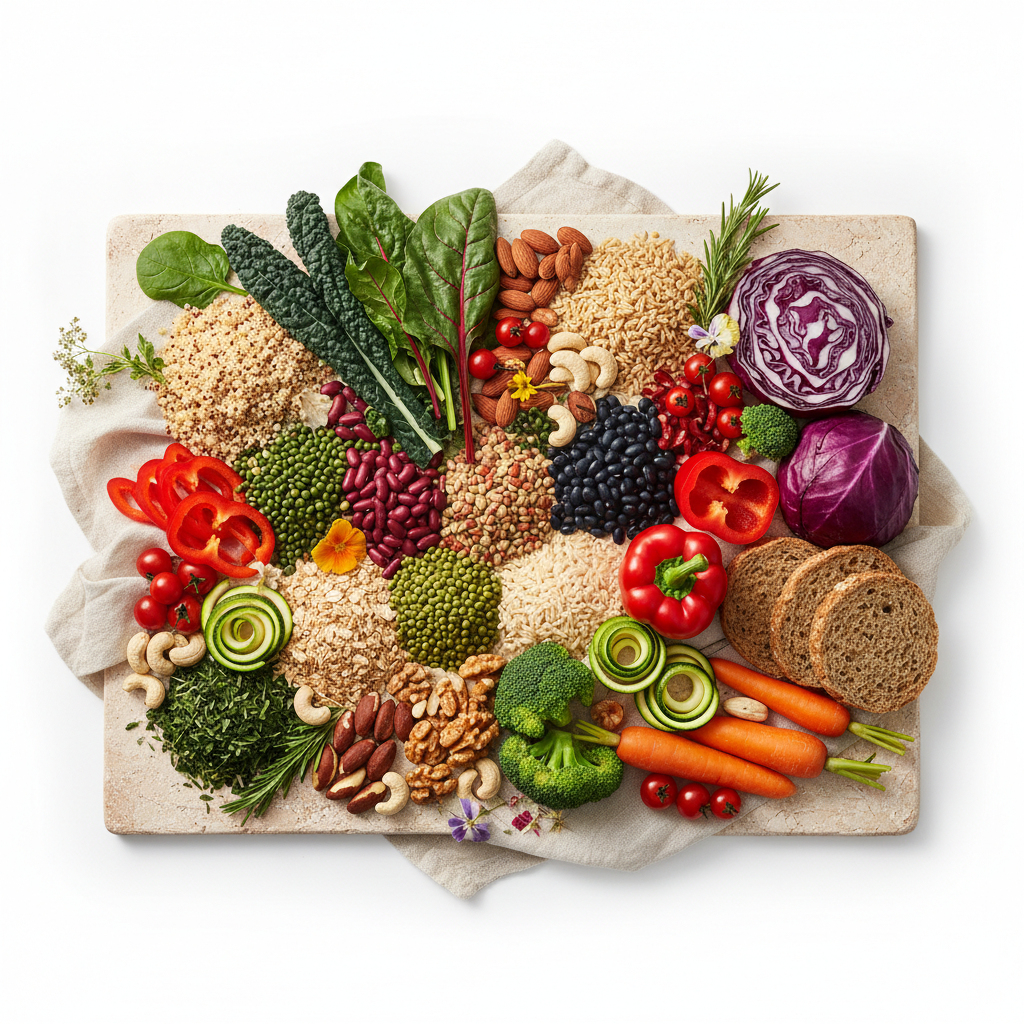
Among all the dietary patterns the researchers examined — plant-based, Mediterranean, DASH, and others — the Planetary Health Diet showed the greatest protection against obesity during menopause. This approach prioritizes plant proteins like nuts and legumes, healthy fats, whole grains, fruits, and vegetables, while limiting red meat and refined carbohydrates. It is designed around long-term sustainability rather than short-term restriction.
Ultra-processed foods had the opposite effect: higher intake was linked to greater weight gain and elevated obesity risk throughout the transition.
Practical Steps That Don’t Require a Full Diet Overhaul
The researchers recommended adding plant foods rather than overhauling everything at once. Start with plant-based foods you already enjoy — pasta, potatoes, peanut butter, bananas — and build from there. Women moving toward fully plant-based eating may want to monitor B12 and vitamin D intake, or consider supplementing those two specifically.
Why This Matters for Our Readers
Menopause weight gain is common and often frustrating, but this research gives a clearer picture of what dietary patterns actually help. The good news is that the most protective approach does not require extreme restriction — it requires shifting the balance toward whole plant foods and away from ultra-processed options, which aligns with how many Glowing Mamas readers already try to eat.
Source: Healthline, May 20, 2026