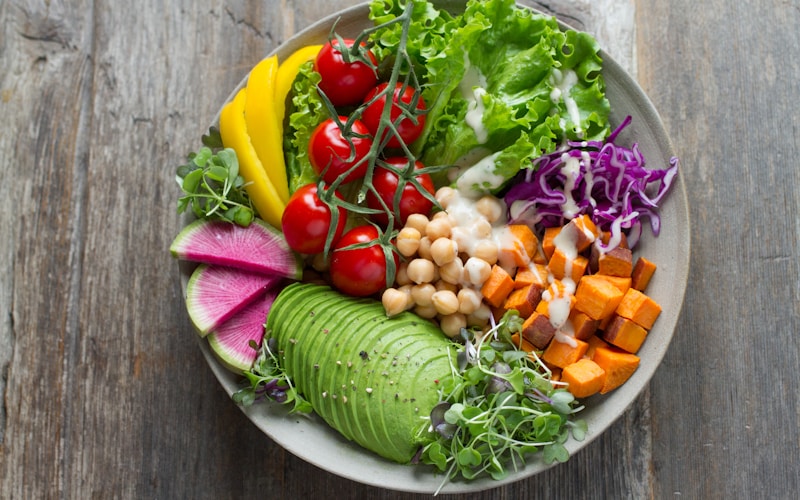
recipes
15-Minute Anti-Aging Dinner Ideas
Fast, delicious dinners that support healthy aging — made with ingredients you probably already have in your kitchen.
Read more →
Chronic low-grade inflammation is increasingly recognized as a factor in aging, joint pain, fatigue, and a range of health conditions that become more common after 40. The foods you eat every day either dampen or amplify this inflammatory response — and a well-constructed smoothie can deliver several anti-inflammatory ingredients at once without much effort.
This five-ingredient version has been designed for practicality: ingredients most people can keep on hand, minimal prep, and a flavor that’s actually pleasant to drink rather than medicinal.
1. Frozen mango or pineapple (1 cup) The base. Both provide natural sweetness and bromelain (pineapple) or vitamin C and beta-carotene (mango) — antioxidants that support the immune system and counter oxidative stress. Frozen fruit also chills the smoothie without watering it down with ice.
2. Fresh or frozen spinach (large handful) Spinach is rich in lutein, zeaxanthin, and vitamins C and E — all with documented anti-inflammatory effects. The quantity you can blend into a smoothie without affecting the taste is remarkable; spinach almost disappears in a mango or pineapple base.
3. Fresh ginger (1-inch piece, or 1/2 tsp ground) Gingerols and shogaols in ginger have been shown in clinical research to reduce markers of inflammation, including C-reactive protein (CRP). Ginger also helps with nausea and has mild pain-reducing properties. Fresh ginger blends smoothly and adds a pleasant sharpness that balances sweet fruit.
4. Turmeric (1/4 to 1/2 teaspoon ground) Curcumin, the active compound in turmeric, is one of the most extensively studied anti-inflammatory compounds in the natural world. Its bioavailability is significantly enhanced when consumed with black pepper (the piperine in pepper increases curcumin absorption by up to 2000%).
5. Coconut milk or unsweetened almond milk (1 cup) The liquid base. Full-fat coconut milk adds richness and provides medium-chain triglycerides (MCTs). Almond milk is lower-calorie. Either works. The fat in coconut milk also helps with absorption of the fat-soluble compounds in turmeric.
Optional but recommended: A pinch of black pepper (for turmeric absorption), a tablespoon of ground flaxseed (lignans, omega-3), or a scoop of collagen peptides.
Ingredients:
Instructions: Add all ingredients to a high-speed blender. Blend on high for 30–60 seconds until completely smooth. Taste and adjust — if too thick, add more milk; if you want more sweetness, add half a banana or a teaspoon of honey.
Makes one large serving or two smaller ones.
The biggest barrier to drinking smoothies regularly is morning friction — digging out ingredients, peeling ginger, measuring turmeric at 7am. Reduce this by:
Pre-portioning smoothie bags. Portion the fruit, spinach, and measured spices into individual zip-lock bags or silicone freezer bags. On smoothie mornings, grab one bag, add liquid, blend. This reduces preparation to under two minutes.
Keeping fresh ginger in the freezer. Frozen ginger grates easily and lasts for months. Keep a piece in a bag in the freezer for consistent availability.
A single smoothie made with these ingredients delivers:
It’s a strong nutritional start to the day, not a meal replacement on its own unless you add protein. Pair it with eggs or Greek yogurt if you’re using it as breakfast.
The anti-inflammatory effect isn’t from any single drink — it’s from consistent dietary patterns over time. One smoothie won’t measurably reduce inflammation. Drinking one most mornings for months, as part of a broader diet with plenty of vegetables, healthy fats, and minimal processed food, does.
recipes
Fast, delicious dinners that support healthy aging — made with ingredients you probably already have in your kitchen.
Read more →
recipes
Six anti-inflammatory foods — berries, fatty fish, turmeric, ginger, leafy greens, and olive oil — explained with the mechanism behind each and practical ways to add them to daily meals.
Read more →
recipes
Bone broth has real nutritional benefits — especially for joint health, gut health, and skin. Here's what to know and how to use it.
Read more →