recipes
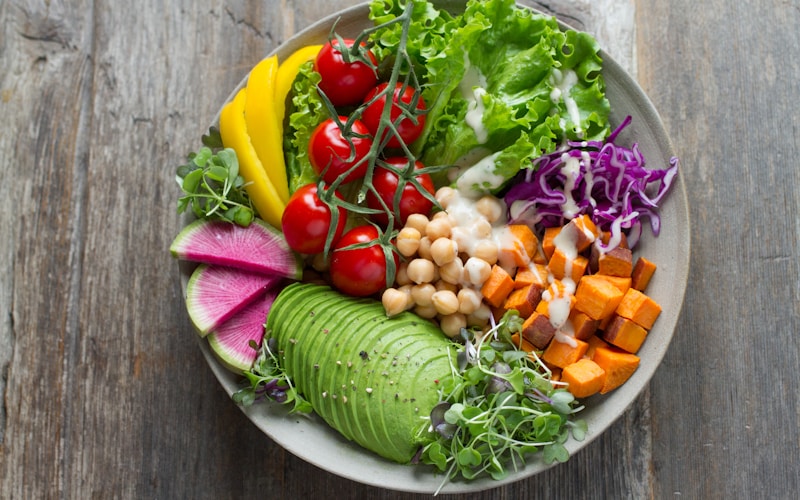
15-Minute Anti-Aging Dinner Ideas
Fast, delicious dinners that support healthy aging — made with ingredients you probably already have in your kitchen.
Read more →
Bone broth has been consumed in virtually every food culture for centuries — not as a trend, but because simmering bones is an efficient way to extract nutrients that would otherwise be discarded. The modern wellness version of bone broth is often oversold, but the underlying nutritional benefits are real and relevant for women over 40.
Here’s what bone broth actually contains, what that means for health, and practical ways to use it.
Bone broth is made by simmering animal bones (and often connective tissue, cartilage, and marrow) in water for an extended period — typically 8–24 hours. During this process, several nutrients leach from the bones and connective tissue into the liquid:
Collagen/Gelatin: The prolonged cooking breaks down collagen in bones and connective tissue into gelatin — a partially hydrolyzed form of collagen. When chilled, quality bone broth will set like jelly due to its gelatin content. This gelatin provides glycine, proline, and hydroxyproline — the amino acids your body uses to synthesize collagen.
Glycine: Beyond collagen support, glycine is an amino acid involved in sleep quality (it directly affects body temperature regulation during sleep), liver detoxification, and anti-inflammatory processes. Most people’s diets are relatively low in glycine because modern eating patterns don’t include much connective tissue.
Minerals: Calcium, magnesium, and phosphorus are present in bone broth, though quantities vary significantly based on the bones used and cooking method. Adding an acidic ingredient (like apple cider vinegar) to the cooking liquid helps extract more minerals from the bones.
Glucosamine and Chondroitin: These compounds, from cartilage, are sold as supplements for joint health. Bone broth made with joint-containing bones (chicken feet, knuckle bones) contains meaningful amounts.
The direct clinical evidence specifically on bone broth is limited — most research has been done on isolated components (collagen peptides, glycine, glucosamine) rather than broth itself. What’s reasonable to infer:
The claims that go beyond this (bone broth cures leaky gut, reverses arthritis, dramatically improves skin in weeks) exceed what the evidence supports.
For women over 40, three of bone broth’s main contributions are specifically timely:
Collagen production support: Skin collagen declines with age and accelerates with estrogen loss. Providing amino acid building blocks for collagen synthesis through food is a low-cost, food-based approach to supporting skin and connective tissue health.
Joint health: Joint stiffness and discomfort become more common in perimenopause, partly due to estrogen’s anti-inflammatory effects declining. The glucosamine, chondroitin, and glycine in bone broth may offer modest support here.
Sleep quality: Glycine before bed has been shown to improve sleep quality and reduce the time to fall asleep. Many women over 40 experience disrupted sleep — sipping bone broth in the evening provides glycine in a food-based, warming form.
Bones to use: For the most gelatin, use bones with high connective tissue content — chicken feet, chicken backs, beef knuckle bones, oxtail. Marrow bones add flavor. A mix of joint bones and marrow bones produces the most nutritious broth.
Basic method:
When cold, the broth should have a gel-like consistency. Watery broth that doesn’t gel has less gelatin and therefore fewer collagen-building amino acids.
As a warm drink: Heat a cup of bone broth and sip it in the evening instead of tea. Add a pinch of salt and herbs if desired.
As a cooking base: Use instead of water or stock for cooking grains, braising vegetables, or as the base for soups.
In morning routines: Some women add a cup of bone broth to their morning routine, either alongside or instead of coffee.
Frozen in portions: Freeze in ice cube trays or half-cup portions. Pull out individual servings for soups, sauces, or quick drinks without making a full pot every time.
Quality store-bought bone broth exists but requires careful label reading. Look for broth that gels when refrigerated — this indicates sufficient gelatin content. Products labeled “bone broth” that remain watery when cold are effectively just stock.
Homemade is generally superior in gelatin content and considerably cheaper per serving. The hands-off nature of the long simmer (particularly in a slow cooker or instant pot) makes the effort relatively low once you have a system for it.
recipes
Fast, delicious dinners that support healthy aging — made with ingredients you probably already have in your kitchen.
Read more →
recipes
Six anti-inflammatory foods — berries, fatty fish, turmeric, ginger, leafy greens, and olive oil — explained with the mechanism behind each and practical ways to add them to daily meals.
Read more →
recipes
A quick, delicious smoothie packed with anti-inflammatory ingredients. Ready in five minutes, no complicated prep needed.
Read more →