recipes
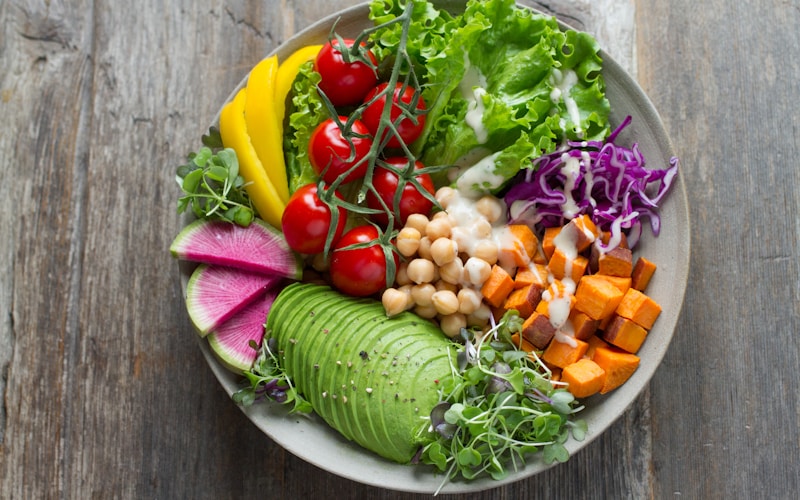
15-Minute Anti-Aging Dinner Ideas
Fast, delicious dinners that support healthy aging — made with ingredients you probably already have in your kitchen.
Read more →
Collagen supplements are a billion-dollar industry, and they’re not without merit — some clinical research does support their benefit for skin elasticity and joint health. But before reaching for expensive powder, it’s worth understanding that your body builds collagen from raw materials you can get from food. If your diet is missing these building blocks, supplements fill a gap that didn’t need to exist.
Here’s what actually drives collagen production in the body, and which everyday foods support it most effectively.
Collagen is a protein — the most abundant protein in the human body — made up primarily of three amino acids: glycine, proline, and hydroxyproline. Your body assembles collagen from these amino acids, but the assembly process requires specific cofactors, most importantly vitamin C. Without adequate vitamin C, collagen synthesis is significantly impaired regardless of how much protein you eat.
This means a collagen-supporting diet has two components: protein that provides the amino acid building blocks, and micronutrients (especially vitamin C) that enable synthesis.
Bone broth made by simmering animal bones for many hours contains glycine, proline, and hydroxyproline in high concentrations — the specific amino acids your body uses to build collagen. The gelatin in broth is partially broken-down collagen that your digestive system absorbs relatively efficiently.
Homemade bone broth from quality bones provides the most glycine. Commercial options vary widely in quality and composition.
Gelatin (unflavored) from grass-fed animals can be used in cooking — in soups, as a thickener, or dissolved in warm water or tea — and provides the same amino acid profile.
Egg whites are rich in proline. Egg yolks contain zinc and copper, both of which are cofactors for collagen synthesis. A whole egg provides multiple components of the collagen-production equation in one affordable package.
Beans and lentils provide lysine, another amino acid involved in collagen production, along with copper. They’re among the most underrated sources of collagen precursors in plant-based eating.
Chicken, particularly slow-cooked chicken with skin, provides collagen directly (the connective tissue breaks down into gelatin during cooking). Fish skin contains significant collagen as well. These aren’t just protein sources — they’re specifically collagen-rich when the full animal is used.
Since vitamin C is essential for collagen assembly, ensuring adequate daily intake is as important as the amino acids. The following foods have among the highest vitamin C concentrations:
Eating a vitamin C-rich food daily — particularly alongside protein — supports the collagen synthesis process directly.
Collagen is damaged by free radicals generated by UV exposure, pollution, and oxidative stress from the diet. Antioxidants neutralize these free radicals and protect collagen that’s already been built.
Berries: Blueberries, raspberries, and other berries contain anthocyanins, potent antioxidants specifically studied for skin health protection.
Dark leafy greens: Lutein and zeaxanthin in spinach, kale, and collard greens protect against UV-induced collagen breakdown.
Green tea: EGCG in green tea inhibits enzymes (collagenases) that break down collagen. Regular green tea consumption has shown skin quality benefits in some studies.
Dark chocolate (70%+ cacao): Contains flavanols that improve skin elasticity and blood flow to the skin. An enjoyable addition to a collagen-supporting diet.
Two minerals that play important roles in collagen production are frequently overlooked:
Zinc: Found in pumpkin seeds, beef, shellfish (especially oysters), and chickpeas. Zinc is a cofactor for enzymes that produce collagen and is involved in wound healing.
Copper: Found in liver, shellfish, nuts, and seeds. Copper activates lysyl oxidase, an enzyme essential for cross-linking collagen fibers to give them strength.
A collagen-supporting diet on a daily basis looks something like:
No single food is magic. But consistently providing your body with the raw materials and cofactors it needs to build and maintain collagen is significantly more sustainable (and cheaper) than relying on supplements to fill a dietary gap.
recipes
Fast, delicious dinners that support healthy aging — made with ingredients you probably already have in your kitchen.
Read more →
recipes
Six anti-inflammatory foods — berries, fatty fish, turmeric, ginger, leafy greens, and olive oil — explained with the mechanism behind each and practical ways to add them to daily meals.
Read more →
recipes
A quick, delicious smoothie packed with anti-inflammatory ingredients. Ready in five minutes, no complicated prep needed.
Read more →