recipes
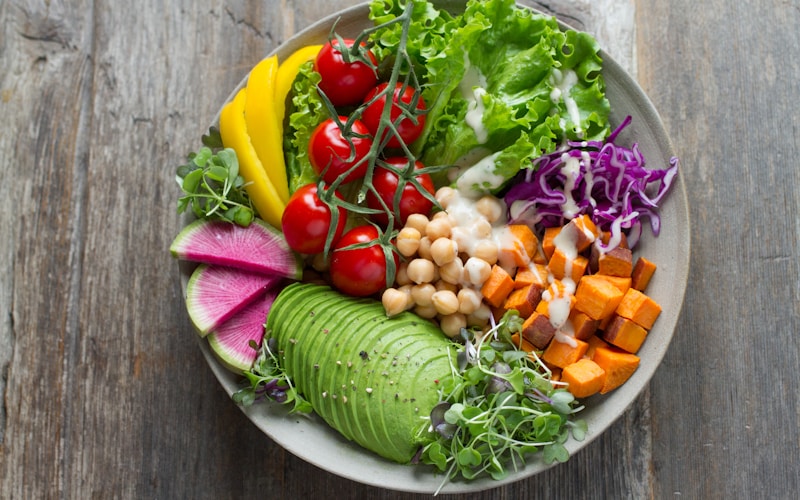
15-Minute Anti-Aging Dinner Ideas
Fast, delicious dinners that support healthy aging — made with ingredients you probably already have in your kitchen.
Read more →
Meal prep gets talked about a lot, but the actual barrier for most women isn’t motivation — it’s having a realistic system that doesn’t turn Sunday into a second job. This is a one-hour prep session focused specifically on foods that support hormone balance for women over 40, structured so the food actually gets used during the week.
Estrogen metabolism, insulin sensitivity, cortisol regulation, and thyroid function are all significantly affected by diet. Specifically:
Meal prep makes it easier to consistently eat in ways that support these systems rather than reaching for convenient but less supportive options.
1. A big grain or legume base (15 minutes active, cooks hands-off) Quinoa, farro, brown rice, or cooked lentils. Cook a large batch at the start of prep. This becomes the base for bowls, salads, and sides throughout the week. Quinoa takes 15 minutes; brown rice 40 minutes (mostly unattended). Start whichever first.
2. Roasted vegetables (5 minutes prep, 25 minutes in the oven) Chop whatever vegetables you have into similar-sized pieces. A hormone-supporting mix: broccoli, cauliflower, sweet potato, red onion, and bell peppers. Toss with olive oil, salt, and your choice of spices. Roast at 200°C/400°F for 25 minutes, stirring once. These last 4–5 days in the fridge and go into everything.
3. Boiled or baked eggs (10 minutes) Hard-boiled eggs are the fastest protein you can grab from the fridge. Boil 6–8 eggs at the start of your session, let them cool in cold water, store in the fridge. They last a week.
4. A hormone-supporting sauce or dressing (5 minutes) A simple miso-ginger dressing or tahini-lemon sauce that you’ll actually want to eat all week: 2 tablespoons tahini, juice of 1 lemon, 1 garlic clove, 2 tablespoons water, salt. Blend or whisk together. Keeps a week. Miso adds gut-beneficial fermented soy isoflavones.
5. Pre-washed greens (5 minutes) Wash a full head of lettuce or bag of mixed greens, spin dry, store in a container with paper towel. Ready-to-use greens mean salads happen instead of being skipped.
If you have more time:
Weekday breakfasts: Grain bowl with prepped vegetables, an egg, and a spoonful of tahini dressing. Takes 3 minutes to assemble.
Lunches: Greens + roasted vegetables + grain + protein (egg, canned sardines, leftover chicken) + dressing. Assembly only, no cooking.
Dinners: The prepped components reduce dinner effort significantly. Roasted vegetables reheat in 5 minutes. Grains reheat in 2 minutes. You still cook a fresh protein (15-minute salmon or chicken), but the vegetables and starch are already done.
Flaxseed: Add two tablespoons of ground flaxseed to grain batches or keep a jar ready to sprinkle on anything. Lignans in flaxseed have phytoestrogenic activity and clinical evidence for reducing hot flash frequency. Ground, not whole — unground flaxseed passes through undigested.
Cruciferous vegetables: Include broccoli and/or cauliflower in your roasted vegetable batch every week. The indole-3-carbinol they contain supports healthy estrogen metabolism.
Fermented additions: Keep kimchi, sauerkraut, or miso in the fridge to add to meals. These aren’t prep items so much as staples to have available.
Protein adequacy: Women over 40 need more protein than they often eat, particularly to offset the muscle loss accelerated by estrogen decline. Aim for 25–30g of protein per meal. An egg provides 6g; a can of sardines provides 25g; 150g of cooked chicken provides about 35g.
The biggest failure mode in meal prep is over-engineering the first session and giving up when it takes three hours. Start with just two or three items from the list above. A batch of roasted vegetables and hard-boiled eggs is already a significant upgrade over starting from zero every day.
Second failure mode: prepping food that doesn’t get eaten because it’s not versatile enough or doesn’t suit the week’s needs. The items above were chosen specifically because they combine in multiple ways without feeling repetitive.
One focused Sunday hour, week after week, has a compounding effect on dietary quality that individual meal decisions don’t.
recipes
Fast, delicious dinners that support healthy aging — made with ingredients you probably already have in your kitchen.
Read more →
recipes
Six anti-inflammatory foods — berries, fatty fish, turmeric, ginger, leafy greens, and olive oil — explained with the mechanism behind each and practical ways to add them to daily meals.
Read more →
recipes
A quick, delicious smoothie packed with anti-inflammatory ingredients. Ready in five minutes, no complicated prep needed.
Read more →