
wellness
10-Minute Morning Routine That Changes Everything
A realistic morning routine that fits into busy life — no 5am wake-up calls required. Just 10 focused minutes that set the tone for the day.
Read more →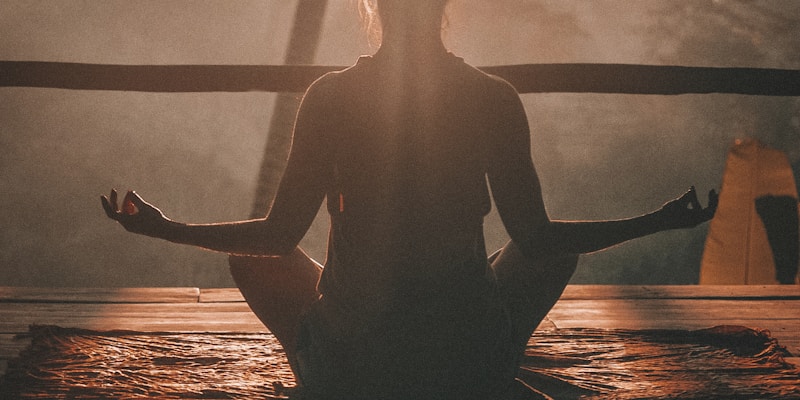
Stress is a normal part of life — particularly for women managing work, family, and the general pressures of adult life in your 40s and 50s. But chronic, unmanaged stress has measurable effects on health: it disrupts sleep, affects the immune system, accelerates cellular aging, and is a significant driver of inflammation.
The techniques here don’t require buying anything, booking an appointment, or clearing large blocks of time. They’re practical, evidence-supported, and work within a real schedule.
Your breathing is one of the few physiological processes that’s both automatic and under voluntary control. This is significant because it means you can use breathing to directly influence your nervous system — specifically, to activate the parasympathetic (“rest and digest”) response that counteracts the stress response.
The 4-7-8 method, developed by integrative medicine physician Dr. Andrew Weil based on traditional yogic breathing techniques, is one of the most practical breathing exercises for stress:
How to do it:
The extended exhale is the key mechanism. A long, controlled exhale activates the vagus nerve, which is the primary pathway of the parasympathetic nervous system. This is why sighing feels relieving — it’s an instinctive version of the same mechanism.
You can use this technique in the moment when stress spikes (before a difficult conversation, in traffic, during a tense meeting) or as a daily practice before bed.
Adaptogens are a category of herbs and mushrooms that have been shown in clinical research to help the body adapt to physical and psychological stress. They work by modulating the HPA axis — the system that controls cortisol (the stress hormone) production — rather than sedating you or providing a stimulant effect.
The most well-researched adaptogens:
Ashwagandha (Withania somnifera) has the most clinical evidence for stress and anxiety reduction. Multiple randomized controlled trials have shown significant reductions in self-reported stress and cortisol levels with daily ashwagandha supplementation (typically 300–600mg of root extract). Effects are cumulative — they build over four to eight weeks of consistent use, not overnight.
Rhodiola rosea has been studied for mental fatigue and burnout, with evidence suggesting it improves cognitive function under stress and reduces fatigue. It tends to have mild energizing effects, making it better suited to morning use than nighttime.
Reishi mushroom is used more for its calming, immune-supportive effects. Evidence is less robust than ashwagandha but reasonably promising for sleep quality and mood.
Practical notes: Adaptogens are generally safe for most adults but can interact with certain medications (thyroid, immunosuppressants, sedatives). If you take any medication, check with your doctor before starting. Most adaptogens are available as capsules, powders, or teas. Consistency matters — they don’t work well taken occasionally.
Exercise is one of the most effective and well-researched interventions for stress, anxiety, and low mood. It works through multiple mechanisms: it releases endorphins and endocannabinoids (your body’s natural mood elevators), reduces cortisol over time with regular practice, improves sleep quality, and provides a genuine mental break from whatever you’re stressed about.
The good news is that you don’t need to run a 5K or spend an hour at the gym for these benefits. Research consistently shows that even 20–30 minutes of moderate exercise — defined as something that elevates your heart rate to the point where you can talk but not sing — produces meaningful stress reduction.
What works particularly well for stress:
The key with exercise for stress is that consistency matters more than intensity. A walk every day is more effective than an occasional intense workout.
Writing about stress can either reinforce it or defuse it, depending on how you approach it. “Venting” journaling — replaying stressful events repeatedly — can actually amplify negative emotions. Structured approaches work better.
Two evidence-based approaches:
Expressive writing: Set a timer for 15–20 minutes and write continuously about something that’s been causing you stress. Don’t edit — just write whatever comes. Include the facts of the situation, your feelings about it, and any meaning or understanding you’re drawing from it. Research by psychologist James Pennebaker shows that this structured emotional disclosure reduces stress, improves mood, and even has measurable effects on immune function. Do this three to four consecutive days for a specific stressor, then move on.
Planning and worry containment: If your stress is more about overwhelm and the feeling that there’s too much to manage, a simple nightly “brain dump” can help. Spend 5 minutes before bed writing out everything on your mind — tasks, worries, things you haven’t resolved. This externalizes the mental load, which research suggests reduces pre-sleep rumination and improves sleep quality.
“Forest bathing” (Shinrin-yoku) is a practice with origins in Japanese public health policy and a now-substantial research base. Time in natural settings — forests, parks, gardens, even tree-lined streets — has measurable physiological effects: lower cortisol, reduced blood pressure, decreased heart rate, and improved mood and immune function.
You don’t need to hike in a national forest. A walk in a local park works. A few minutes in a garden or sitting near trees counts. The key mechanisms appear to be: phytoncides (volatile organic compounds released by trees that have been shown to increase natural killer cell activity), reduced sensory stimulation compared to urban environments, and the restorative effect of natural visual environments on directed-attention fatigue.
A practical approach: One 20–30 minute walk in a green space per week produces measurable stress reduction effects according to the research. More is better, but even infrequent nature exposure has cumulative benefits over time.
These five approaches work independently, but they compound when combined. A morning walk outdoors (movement + nature), followed by a brief journaling session (stress processing), taken with an ashwagandha supplement in your morning coffee, and bookended by a 4-7-8 breathing exercise before bed — that’s a meaningful stress-reduction system.
Start with one technique, practice it consistently for two weeks, then add another. The goal isn’t to add more tasks to your day — it’s to replace low-value habits (scrolling social media, ruminating) with habits that genuinely restore your nervous system.
wellness
A realistic morning routine that fits into busy life — no 5am wake-up calls required. Just 10 focused minutes that set the tone for the day.
Read more →
wellness
Seven concrete wellness habits that fit into a real mom's schedule — from morning hydration to a wind-down routine — with practical tips for making each one automatic.
Read more →
wellness
Real talk about perimenopause and hormone shifts — plus practical changes that made a noticeable difference without prescriptions.
Read more →